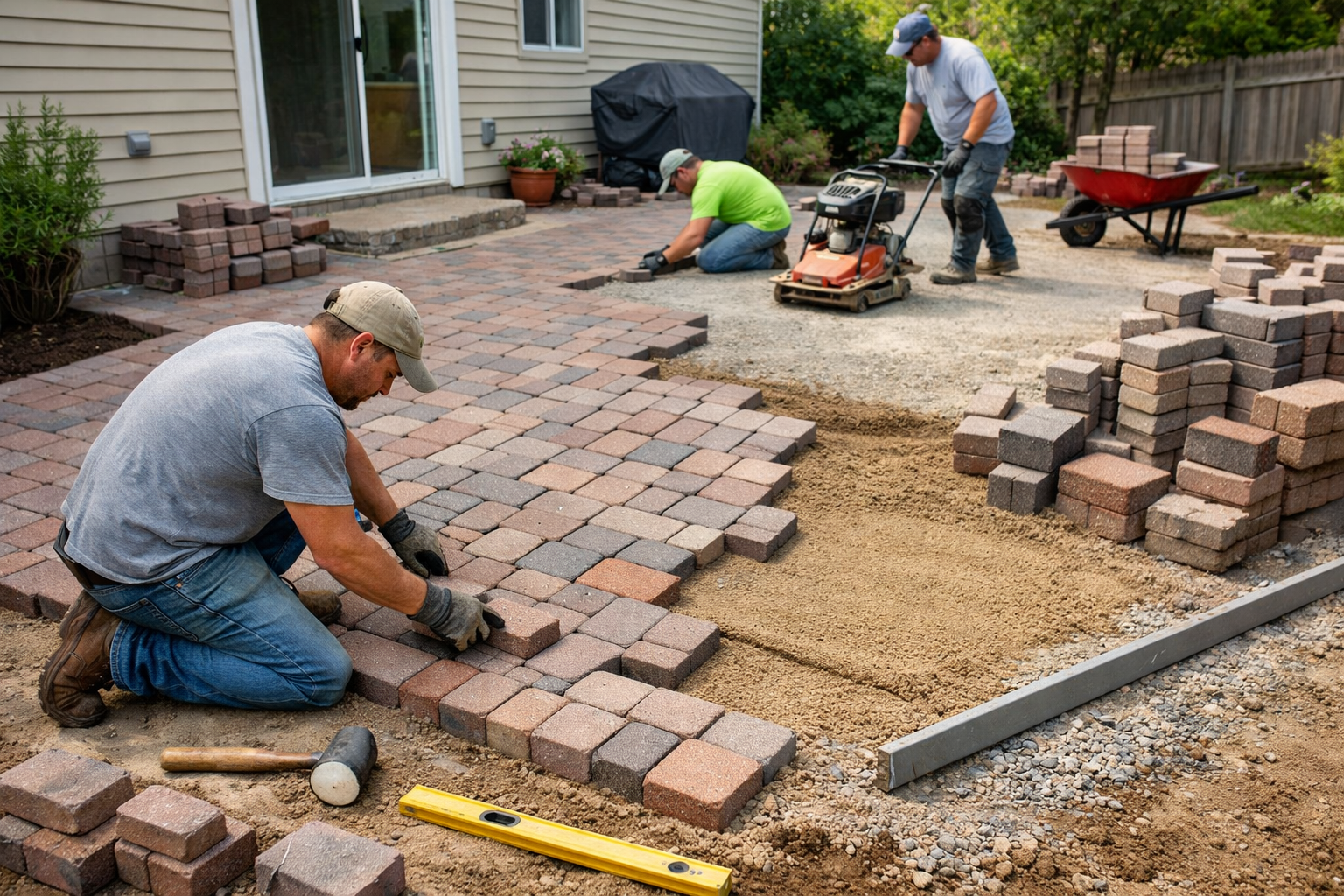
The hardscape elements of homes, retail spaces, and commercial buildings serve multiple purposes. They enhance functionality, direct pedestrian traffic, and improve the area's overall appearance. The key to achieving high-quality hardscaping design and installation lies in using quality materials and ensuring precise skill and artistry from a reputable hardscaping business like yours.
Whether you're just starting as a solo operator or running a full-scale hardscaping company with a crew, achieving consistent growth can be challenging. This is particularly true if you are in a market with limited residential and commercial hardscaping opportunities or one that is highly competitive. The good news is that there are strategies available to help you grow your hardscaping business, several of which are detailed in this Huddle Business Capital blog article.
Research your market to identify potential opportunities.
Market research can help you better understand the area your hardscaping business serves. You can learn about customer needs, current or upcoming construction projects, and gain insights into your competition. This information can help you pinpoint business opportunities and optimize marketing efforts without relying on guesswork.
You can conduct free market research online by looking up demographic, business, and city growth trends. There are also several free market research sources for small business owners. These include the Small Business Administration, U.S. Census Bureau, and Bureau of Labor Statistics.
Invest in the right hardscaping equipment.
Preparation plays a key role in the success of any hardscaping project. Before breaking ground, it's important to have a well-thought-out plan in place, along with the specific hardscaping equipment needed. When you have top-quality equipment readily available, you can begin the project promptly, without spending time sourcing it from equipment vendors. This can help keep the project on schedule.
Hardscaping equipment such as skid steers, mini excavators, compactors, cement mixers, and masonry saws can be quite expensive. Fortunately, there are cash-flow-friendly options available. These include equipment financing, also known as an equipment loan, and equipment leasing. Huddle Business Capital offers both of these financing products to qualified borrowers.
Stay on top of the latest hardscaping trends.
Hardscaping trends are always changing. For example, many homeowners are looking for outdoor spaces that are intended for daily use rather than just occasional gatherings. Additionally, some homeowners want their outdoor areas to feature meal preparation as the main focus, incorporating elements such as an outdoor oven, stove, barbecue, sink, and undercounter refrigerator.
Being knowledgeable about the latest hardscaping trends and discussing them with clients showcases your expertise. This can lead to more successful projects and happier customers.
Focus on profit margins.
As you know, hardscaping is a project-based business. Factors such as the specific requirements for equipment, materials, labor, and time can vary widely from one job to another. As a result, it is important to assess and monitor each project's profitability. Doing so will help you identify which project types yield the highest profit margins and which yield the lowest.
Larger hardscaping projects, such as an outdoor kitchen or a custom paver patio, can benefit from economies of scale, resulting in higher profit margins. In contrast, smaller projects with intricate designs, such as a custom fire pit, often require multiple revisions and additional labor hours, which may result in profit losses.
Gaining a clear understanding of your profit margins is essential for determining your pricing strategy and ensuring the long-term growth of your hardscaping business.
Upsell relevant features.
Most clients have a pretty good understanding of their project needs. However, during the initial consultation, you may discover opportunities to enhance their project. For example, suggesting enhancements like LED landscape lights or drip irrigation for a raised brick flower bed can add value to the project.
Next, if you spot any areas that need improvement beyond what your client wants, recommend solutions, especially if they present a safety risk. Common issues include cracked or uneven walkways, broken pavers, drainage failures, soil erosion, and aging patio covers.
When upselling to your customers, focus on solutions—both functional and aesthetic—rather than on sales. Additionally, highlight the potential savings on overall labor costs. Since you and your team will already be on-site, the total cost will be lower than if you needed to return for a separate visit.
Market your hardscaping business.
Yes, marketing your hardscaping company takes time and effort, but it is necessary in today's competitive business world. One of the most effective methods is to showcase before-and-after photographs of completed projects on your website. These visuals provide potential customers with a clear understanding of the results you can achieve.
In addition to photographs, customer testimonials can establish trust and credibility and generate new business. Encourage satisfied customers to share their experiences, detailing how your hardscaping solutions have enhanced their outdoor spaces. Then, showcase these testimonials on your website and on social media.
Other marketing strategies to consider include participating in local community events and networking with local landscape designers, contractors, builders, and local real estate agents. These are excellent ways to market your hardscaping business and create new business opportunities.
Disclaimer.
This Huddle Business Capital blog article is purely educational and contains general information and opinions; it is not intended to provide advice or recommendations of any kind. Huddle Business Capital is not affiliated with nor endorses the companies mentioned in this article.